Go Native: Why American Aquatic Plants Deserve a Spot in Your Freshwater Tank
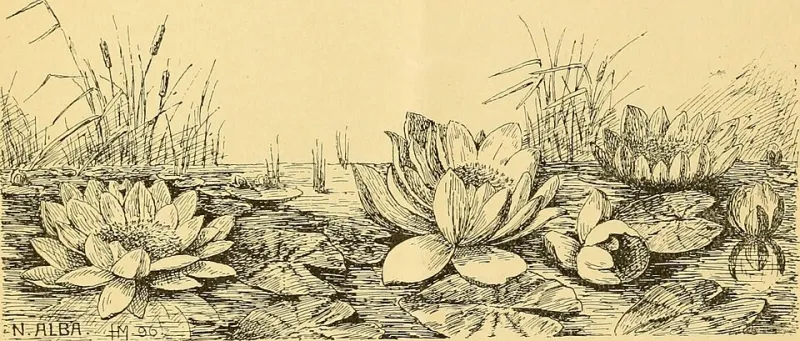
Photo: Internet Archive Book Images, No restrictions, via Wikimedia Commons
Walk into any aquarium store in the US and you'll find the usual suspects: Vallisneria from Asia, Amazon swords from South America, Java fern from Southeast Asia. These are great plants—no argument there. But somewhere along the way, the hobby collectively decided that "exotic" means "better," and a whole world of beautiful, ecologically significant plants growing in American rivers, lakes, and wetlands got left out of the conversation.
I think that's worth challenging. Not because imported plants are bad, but because native aquatic plants offer something genuinely different—and genuinely valuable—that most hobbyists haven't considered.
What Counts as a Native Aquatic Plant?
For the purposes of this discussion, we're talking about species that occur naturally in freshwater habitats across the continental United States—plants that evolved here, support local wildlife, and in many cases are struggling due to habitat loss and invasive competition. Think Sagittaria latifolia (broadleaf arrowhead), Lobelia cardinalis (cardinal flower), Bacopa caroliniana (Carolina water hyssop), Eleocharis species (various spikerushes), and Nuphar lutea (yellow pond lily), among many others.
Some of these you may already recognize from aquarium stores without realizing they're native. Bacopa caroliniana, for instance, is a common planted tank staple that also happens to grow wild across the southeastern US. Others, like Sagittaria and Lobelia cardinalis, are underused gems hiding in plain sight.
The Ecological Argument for Going Native
Here's where I'll put on my opinion hat: there's something philosophically satisfying about building a tank that reflects the actual aquatic ecosystems of the country you live in. Beyond the aesthetics, there are real ecological reasons to care about native plant species.
Many native aquatic plants are under pressure. Wetland drainage, agricultural runoff, and competition from invasive species like Phragmites australis and Hydrilla verticillata have reduced native plant populations across the country. While your aquarium isn't a conservation project in the traditional sense, choosing to grow and propagate native species creates a small but meaningful awareness around plants that deserve more attention.
There's also a practical argument: native plants co-evolved with North American water chemistry. If you're keeping native fish species—sunfish, darters, shiners, native catfish—pairing them with plants from the same ecological context creates a more cohesive, often more stable system. The plants and animals essentially speak the same biological language.
Practical Care: Easier Than You Might Think
One common assumption is that native plants are somehow harder to grow in an aquarium than their tropical counterparts. In many cases, the opposite is true.
Sagittaria latifolia is a forgiving, fast-growing plant that tolerates a wide range of lighting conditions and doesn't need CO2 supplementation to thrive. It spreads via runners, fills in substrate naturally, and provides excellent cover for bottom-dwelling fish.
Bacopa caroliniana is similarly low-maintenance—it grows upright, roots easily, and can be trimmed and replanted indefinitely. In good light, it develops a faint lemony scent when you brush the leaves, which is a small but delightful quirk.
Lobelia cardinalis, while often grown as a marginal pond plant, does beautifully submerged in aquariums under moderate to high light. It produces compact, attractive rosettes and adds a different texture than the typical stem plant arrangement.
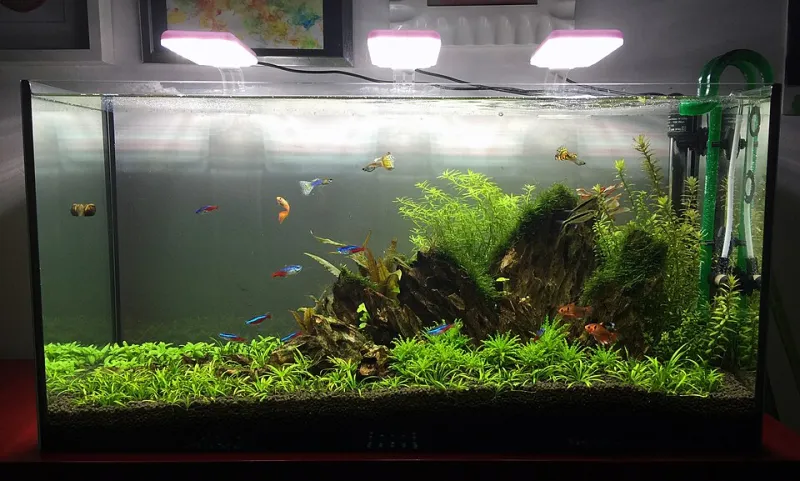
Eleocharis species (dwarf hairgrass and similar) are popular foreground plants in aquascaping, and several are native to North America. They create a lawn-like effect that's visually striking and provides excellent grazing ground for small invertebrates.
The general care requirements for most native aquatic plants align well with a standard freshwater setup: temperatures in the 65–78°F range, moderate lighting, and regular water changes. Many are more cold-tolerant than tropical species, which is actually an advantage if your tank runs on the cooler side.
Where to Source Native Aquatic Plants
This is where things get a little more challenging. Your local fish store probably doesn't stock a dedicated native plant section, though some species like Bacopa and Sagittaria may be available under their common names.
For a broader selection, consider these options:
- Native plant nurseries: Many states have native plant societies with annual sales, and some nurseries specialize in aquatic and wetland plants. A quick search for "native aquatic plant nursery [your state]" often turns up local options.
- Online aquatic plant retailers: Sites like Aquatic Arts, Buce Plant, and others increasingly stock native species as interest grows. Always verify the species before purchasing.
- Hobbyist communities: The planted tank subreddit, local aquarium club swaps, and Facebook groups dedicated to native fish keeping are excellent sources for cuttings and divisions from other hobbyists.
- Responsible wild collection: In some states, collecting small amounts of aquatic plants from public lands for personal use is legal, but always check local regulations first and never remove plants from protected areas or take more than you need.
Building a Native Showcase Tank
If you want to try a fully native setup, consider building around a specific US ecosystem. A mid-Atlantic stream tank might feature Sagittaria, Bacopa, and Lobelia cardinalis alongside native minnows or sunfish. A southeastern US swamp tank could incorporate cypress driftwood, Nuphar, and Eleocharis with native killifish or pygmy sunfish—some of the most visually stunning small fish in North America.
These aren't just interesting conversation pieces. They're functional, beautiful aquariums that connect the hobby to something larger—a genuine appreciation for the aquatic ecosystems that exist right here in the US, many of which need all the awareness they can get.
Give native plants a chance. You might be surprised how much you've been overlooking.