The Middle Ground: Why Brackish Tanks Are the Best-Kept Secret in American Fishkeeping
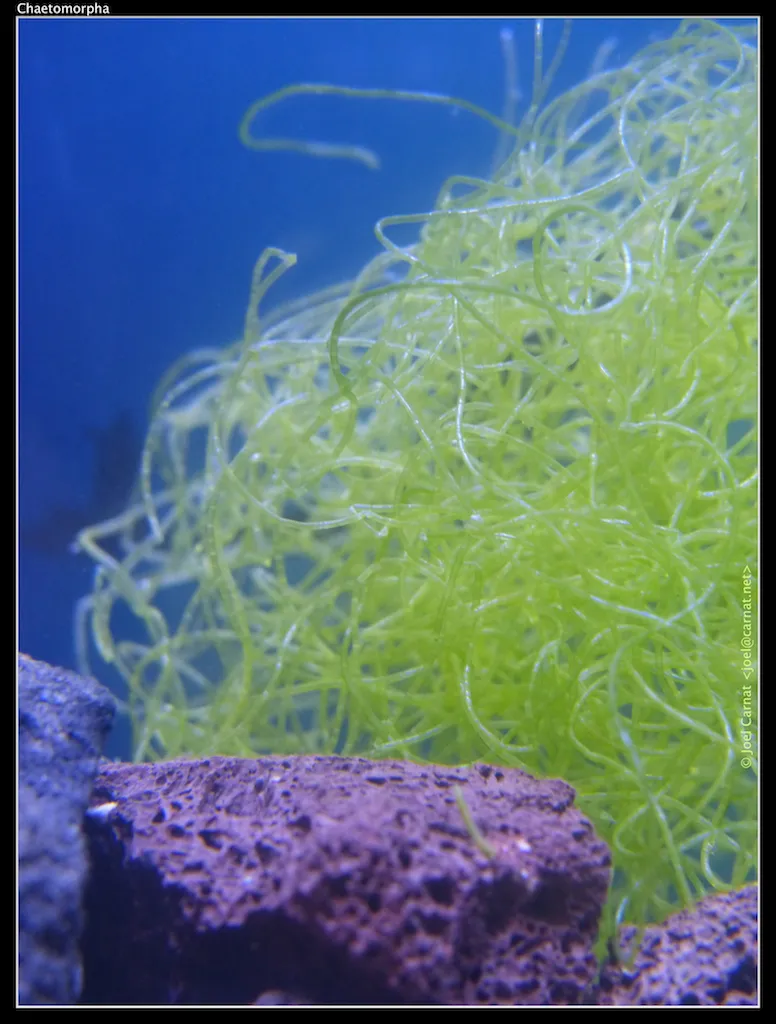
Photo: Carnat Joel, CC BY 2.0, via Wikimedia Commons
Walk into any aquarium store in the US and you'll find two clearly defined camps: freshwater and saltwater. The livestock, the equipment, the advice — it's all organized around that binary. Which means brackish water aquariums, despite being a genuinely fascinating and approachable niche, have basically been left off the map for most hobbyists.
That's a shame, because brackish setups offer something neither extreme can fully deliver: a diverse, interesting ecosystem that's more forgiving than marine tanks, more exotic than most freshwater options, and — here's the part nobody talks about — often a better fit for some of the most interesting species available to American fishkeepers.
What "Brackish" Actually Means
Brackish water is simply water with a salinity level between freshwater and full marine saltwater. In nature, it shows up in estuaries, river deltas, mangrove systems, and coastal marshes — environments where freshwater rivers meet the ocean and mix to create constantly shifting salinity gradients.
In aquarium terms, brackish is typically defined as a specific gravity (SG) between 1.002 and 1.015, compared to freshwater's 1.000 and full marine's 1.025–1.026. That's a wide range, and different species occupy different points within it. Some fish are comfortable across much of that spectrum; others prefer the low end (closer to fresh) or the high end (closer to marine).
You don't need a refractometer with the precision of a reef keeper, but you do need one — a basic swing-arm hydrometer works fine for most brackish setups, though a quality refractometer gives you better accuracy for not much more money.
The Equipment Reality Check
One of the most persistent myths about brackish tanks is that they require the same gear as saltwater setups. They don't. Here's what you actually need:
Filtration: A solid canister filter or a quality hang-on-back (HOB) unit rated for your tank size is plenty for most brackish setups. You don't need a protein skimmer, a refugium, or a calcium reactor. Brackish tanks at low-to-mid salinity ranges behave much more like freshwater systems in terms of filtration demands.
Lighting: Standard freshwater lighting works fine unless you're trying to grow mangroves or specific brackish-tolerant plants. Most brackish fish don't have specialized lighting requirements.
Salt: Use marine salt mix, not table salt or aquarium salt. Marine salt mix includes trace elements that brackish fish and invertebrates benefit from. A single bag goes a long way at brackish concentrations — you're using far less salt per gallon than a reef tank would require.
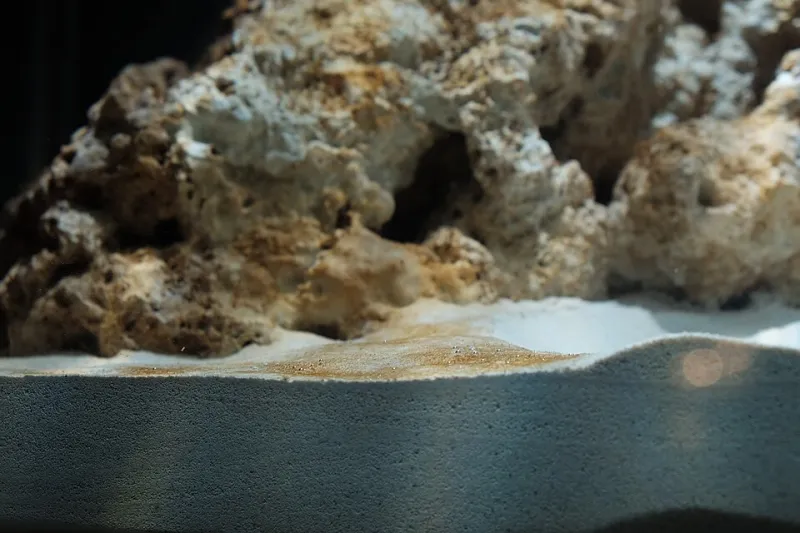
Substrate: Crushed coral or aragonite sand is a natural fit for brackish setups because it buffers pH upward, which most brackish species prefer. You can also use regular aquarium sand if you manage pH separately, but the buffering benefit of calcium-based substrates is genuinely useful here.
Species Worth Getting Excited About
This is where brackish tanks really earn their appeal. The species diversity available in this niche is remarkable, and several of the most interesting options have strong American relevance.
Archer Fish (Toxotes spp.): These guys are the crowd-pleasers of the brackish world. Archer fish spit jets of water to knock insects off overhanging vegetation — a behavior so unique that a brackish tank built around them practically sells itself to anyone who visits your home.
Figure Eight Puffers (Dichotomyctere ocellatus): Widely available at US fish stores and one of the most personality-packed fish you can keep. They're intelligent, interactive, and endlessly entertaining. They do best at low-to-mid brackish salinity and have a reputation for recognizing their owners.
Mollies: Yes, regular mollies. Many fishkeepers don't realize that mollies are naturally euryhaline — meaning they tolerate a wide salinity range — and actually thrive in brackish conditions. Wild-type sailfin mollies native to the Gulf Coast of the US are particularly well-suited to low-end brackish setups, and keeping them in their natural salinity range dramatically reduces disease susceptibility.
Mudskippers (Periophthalmus spp.): If you want a true conversation piece, mudskippers are it. These amphibious fish spend significant time out of the water, "walking" on their pectoral fins across a mudflat-style setup. They require a paludarium-style tank with both water and exposed land areas, but the setup is genuinely unlike anything else in the hobby.
American Flagfish (Jordanella floridae): A Florida native that tolerates low-end brackish salinity well and adds a flash of color to any setup. Supporting native species is a growing priority for ecologically minded US hobbyists, and the flagfish is an underrated choice.
Dialing In Salinity Without Losing Your Mind
The biggest concern new brackish keepers have is maintaining consistent salinity, and it's a reasonable one — but it's also less complicated than it sounds.
Evaporation is your main variable. As water evaporates from your tank, salt stays behind, which means salinity slowly climbs over time if you're topping off with saltwater. The fix is simple: always top off evaporation losses with fresh water, and only add saltwater when doing partial water changes. This keeps your salinity stable between changes without any complicated calculations.
For water changes, mix your replacement water to the same SG as your tank before adding it. A dedicated mixing bucket or spare container makes this easy. Check salinity weekly with your hydrometer or refractometer until you get a feel for how fast your specific tank evaporates, then adjust your top-off routine accordingly.
Target salinity depends on your species. Low-end brackish (SG 1.002–1.005) suits mollies, some gobies, and species from tidal river environments. Mid-range (SG 1.005–1.010) works well for figure eight puffers and archer fish. Higher-end brackish (SG 1.010–1.015) suits species that in nature live closer to full marine conditions.
Why Now Is a Good Time to Try It
Brackish fishkeeping has been a niche within a niche for a long time, partly because the available information was scattered and incomplete. That's changing. Online communities dedicated to brackish species have grown significantly in recent years, and more US retailers are stocking brackish-appropriate livestock than they were a decade ago.
If you've maxed out your interest in standard community freshwater tanks but aren't ready to commit to the cost and complexity of a full reef, brackish is worth serious consideration. It's genuinely different, surprisingly accessible, and home to some of the most interesting fish available to American hobbyists. The Goldilocks zone of aquarium keeping has been waiting for you to discover it.